
PHOTO JOURNAL
BRAJESH PRASAD SINGH
PRESENTS
INDIANS MONUMENTS.
RUMI DARWAZA, LUKHNOW

THE FRONT
THE BACK

The Rumi Darwaza and sometimes
known as the Turkish Gate,
in Lucknow, Uttar Pradesh, India,
is an imposing gateway
which was built by
Nawab Asaf-Ud-Daula in 1784.


NAVLAKHA PALACE ,
MADHUBANI
It was built by
Rameshwar Singh, the younger brother
between 1884 and 1929 to
serve as the Darbhanga Raj's administrative capital.
This complex covers 1,500 acres (610 ha).
It includes 11 temples to gods
and goddesses
and several forts and palaces.


Shyama Mai Temple
Darbhanga

Maharaja Rameshwar Singh was
one of the seeker kings of the
Darbhanga royal family.
Due to the name of the king,
this temple is known as
Rameshwari Shyama Mai.
The temple was founded by
Darbhanga in 1933.


Jama Masjid, Delhi
Masjid-i-Jehan-Numa commonly known as the Jama Masjid of Delhi, is one of the largest mosques in India.It was built by the Mughal emperor Shah Jahan between 1644 and 1656
Shish Gumbad,Delhi
Shish Gumbad , also spelt Shisha Gumbad, is a tomb from the Lodhi Dynasty and is thought to have possibly been constructed between 1489 and 1517 CE. The Shish Gumbad (glass dome) houses graves, whose occupants are not unequivocally identifiable.

Darbhanga House Patna
Many palaces were built during the Darbhanga Raj period and Darbhanga House in Patna is one of them. This marvelous piece of architecture, situated on the banks of the river Ganges, was built in the year 1901. British architect Charles Munt designed this palace, and he was the same architect who designed the Anandbagh Palace in Darbhanga.


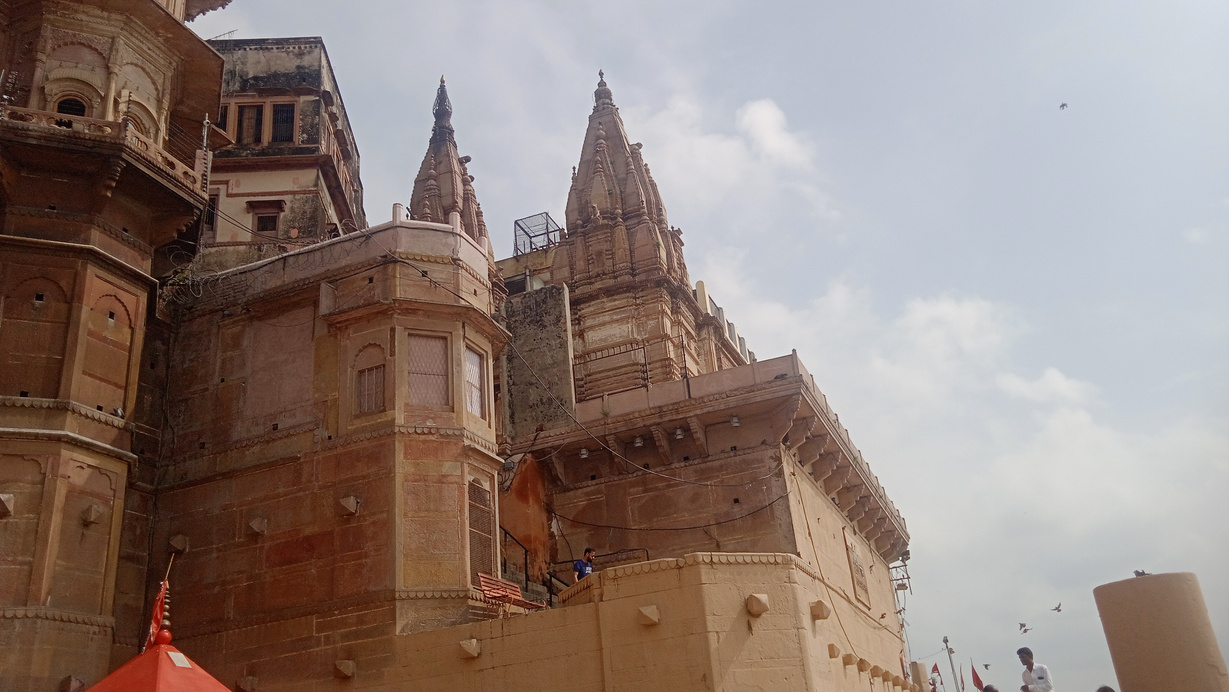
Munsi ghat,Varanasi
Built in the year 1812, Munshi Ghat is named after Sridhara Narayana Munshi, who was a finance minister in the estate of Nagpur. In 1915, the Brahmin king Kameshwar Singh Gautam Bahadur of Darbhanga (Bihar) purchased the ghat and extended it. The extension later became known as Darbhanga Ghat.
Haleshwar Sthan

Haridwar
The city is situated on the right bank
of the Ganges river, at the foothills of
the Shivalik ranges. Haridwar is
regarded as a holy place for Hindus,
hosting important religious events and
serving as a gateway to several prominent places of worship.
CONTACT ME;
BRAJ12GH@GMAIL.COM